Calibrated Tile
Calibration is a sorting process manufacturers use to ensure all tiles within packaged boxes are dimensionally consistent.
In the manufacturing process, unfired ceramic tiles are nearly identical in size when they exit the press, but the firing process in the kiln causes the tiles to shrink, sometimes at slightly different percentages from piece to piece. Through calibration, manufacturers sort tiles based on finished size.
Tiles are commonly grouped into two to four different calibers based on strict sizing requirements of the industry. Calibrated tiles are typically allowed no more than +/-0.5% variation from the average dimension of the corresponding caliber, not to exceed +/- 2mm. Calibrated tiles may be available at price points suited to more budget-conscious projects, though both calibrated and rectified tiles are available across a range of price points.
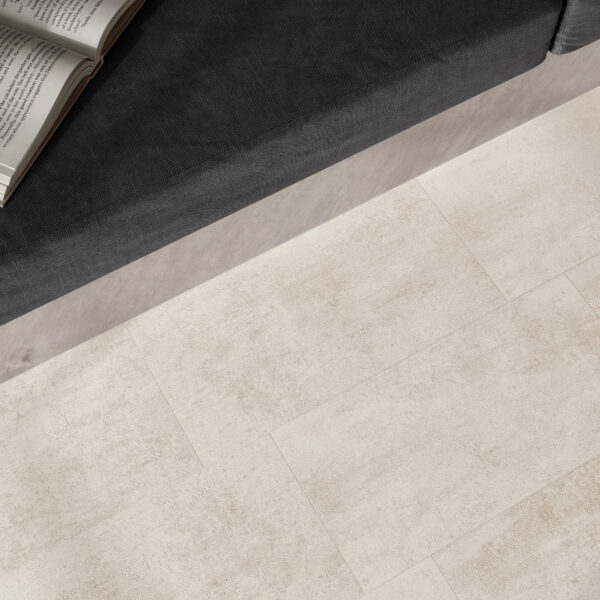
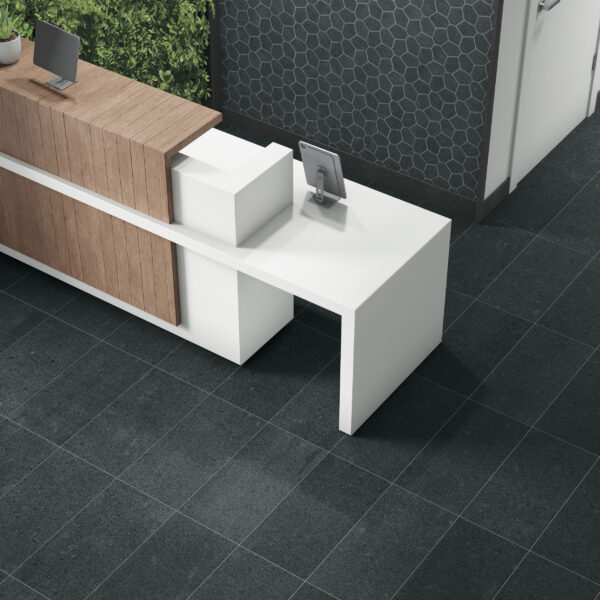
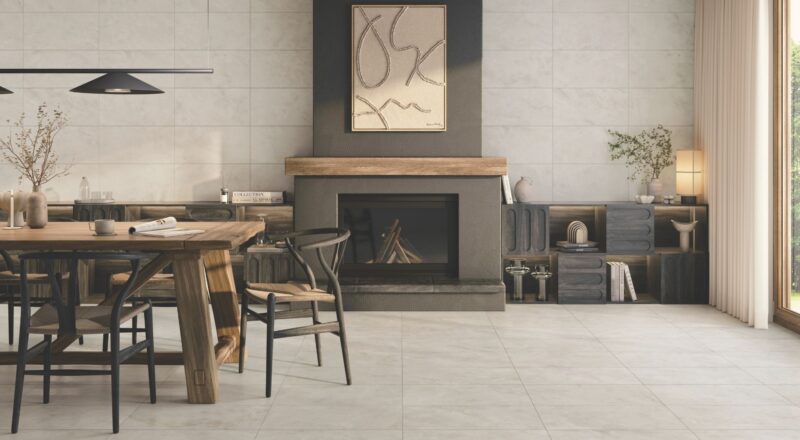
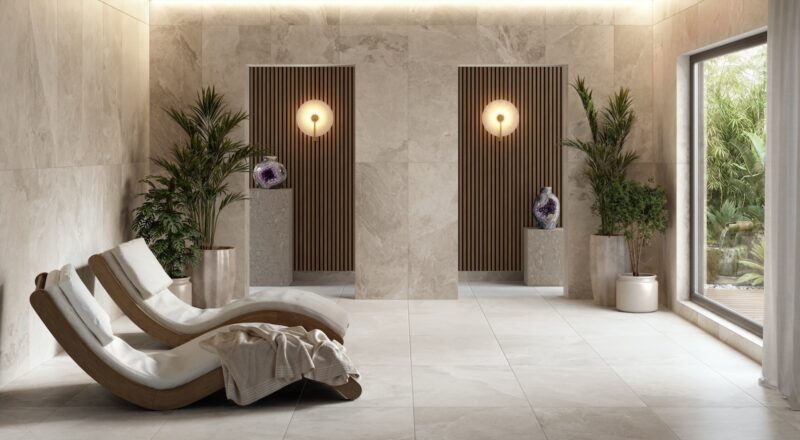
Access Point™ and Stone Fiction™ porcelain tile collections are examples of calibrated tiles.
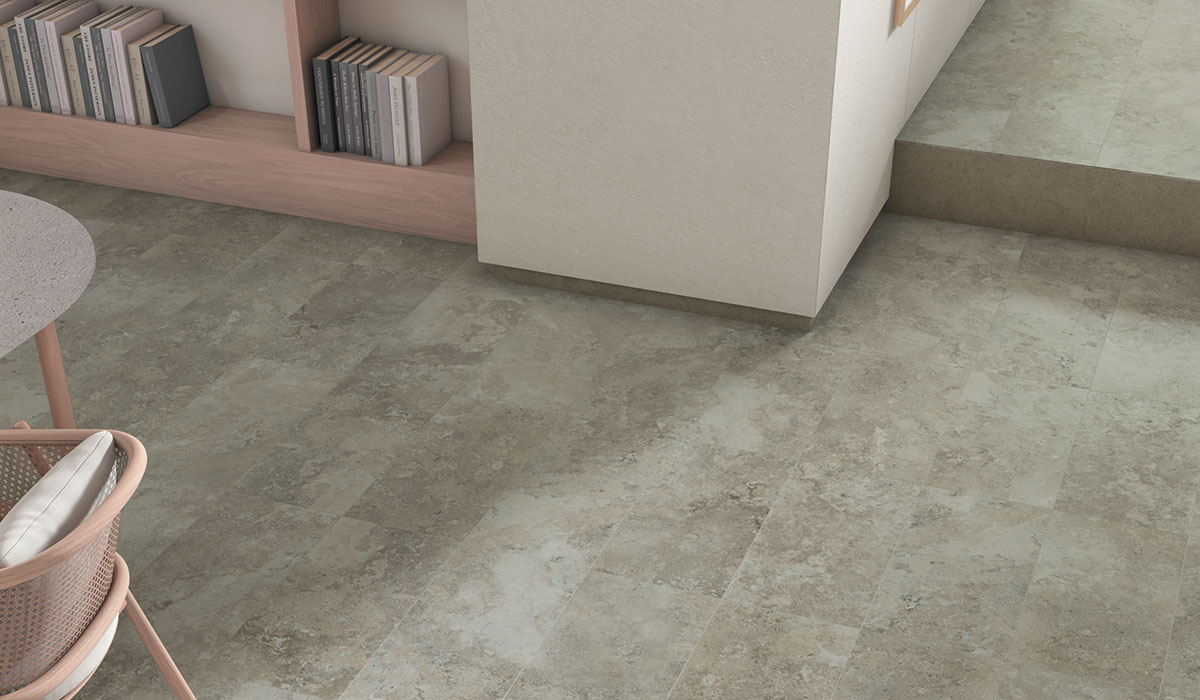
Travertine-look Stone Fiction calibrated (non-rectified) porcelain tile
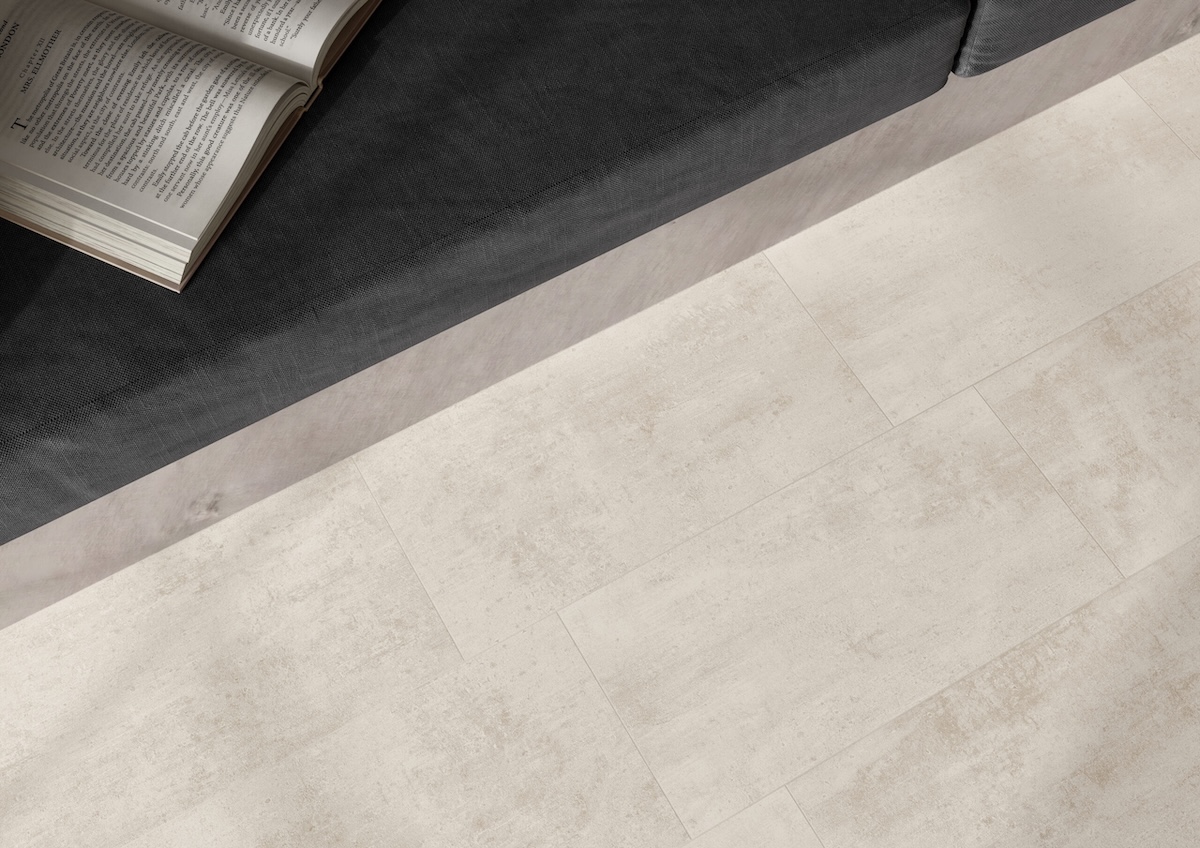 Concrete-look Access Point calibrated (non-rectified) porcelain tile
Mixing Colors with Calibrated Tile
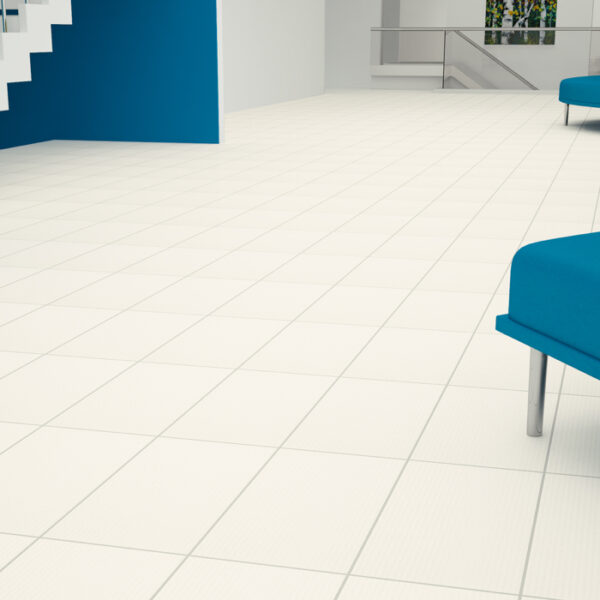
When designs incorporate multiple tile colors—such as checkerboard patterns or other geometric layouts—caliber becomes a key factor. Because each color is produced separately, tiles from different colors may fall into different calibrated size ranges.
In mixed-color patterns, even small size differences can create alignment issues during installation. When specifying multiple colors of calibrated tile, specifiers confirm that the tiles are supplied in the same caliber to ensure consistent sizing.
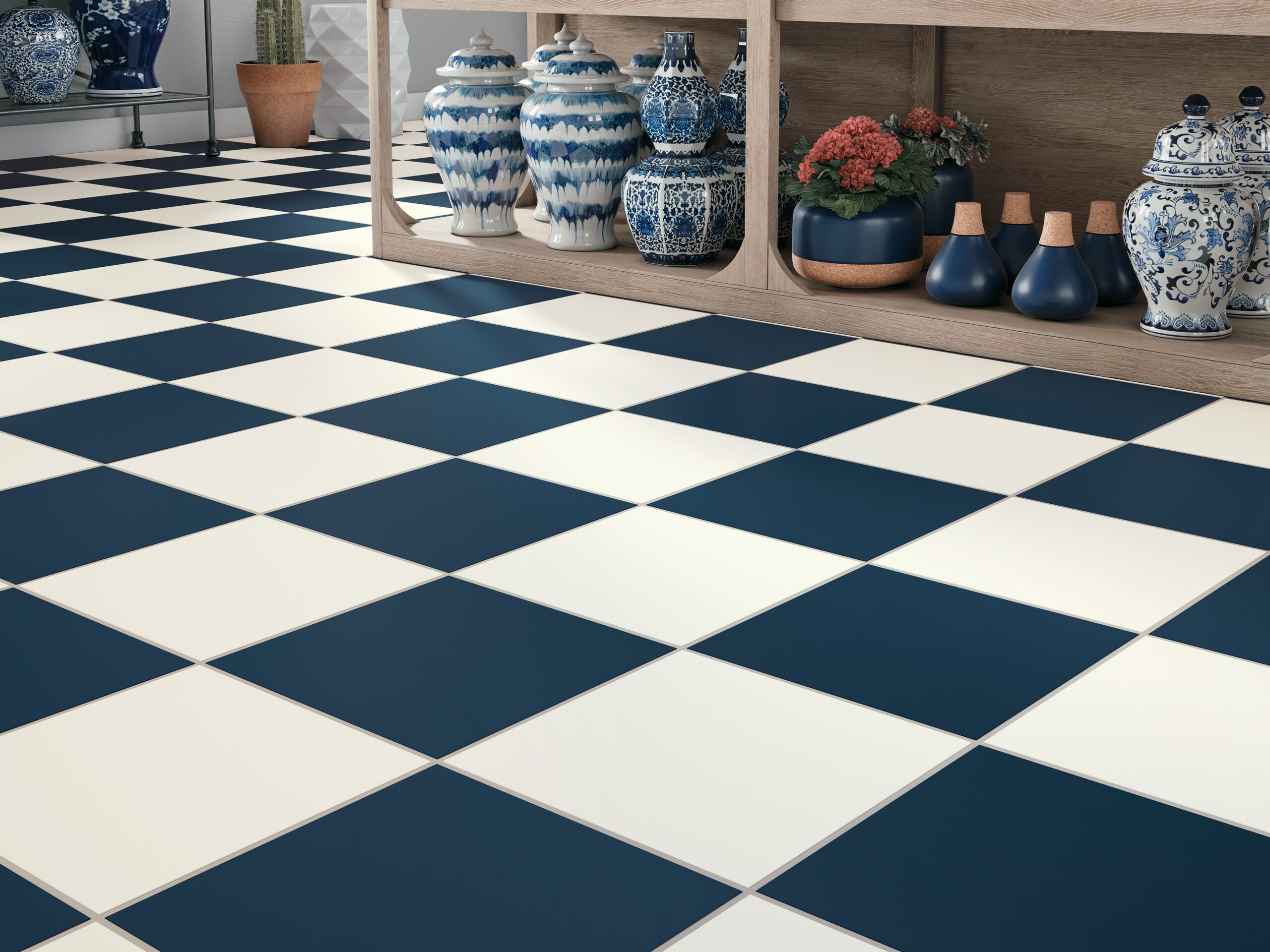 Retro Active 2.0 calibrated porcelain tile in checkerboard pattern
Rectified Tile
Rectified tiles, on the other hand, are fired and then ground to size. This is done to achieve exacting standards in size consistency. Rectified tiles’ edges are mechanically finished for uniformity, ensuring more precise sizing from piece to piece within a product line.
The uniformity of rectified tiles provides greater ease of installation and can simplify the installation of patterns and unique tile designs. Rectified tiles’ exact edges allow for smaller grout lines (Crossville recommends a minimum 3mm grout line) compared to the edges of non-rectified tiles. If thin grout lines are desired for an installation, it is recommended that rectified tiles be specified. (Wood-look porcelain planks in particular benefit from tighter grout joints to help maintain a more natural wood-floor appearance.)
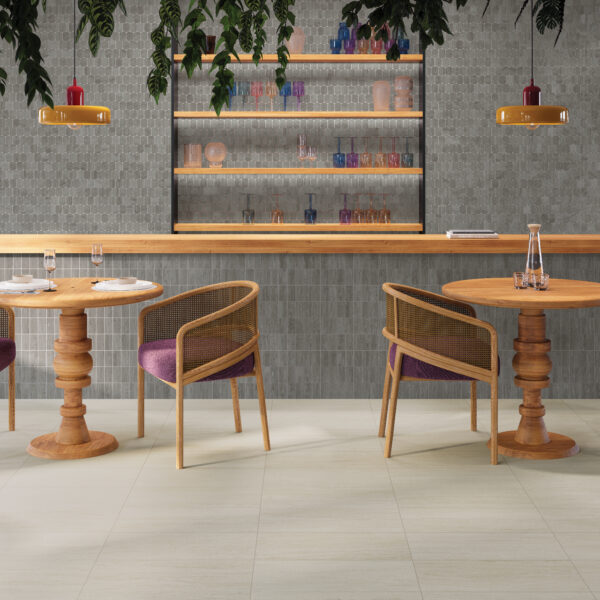
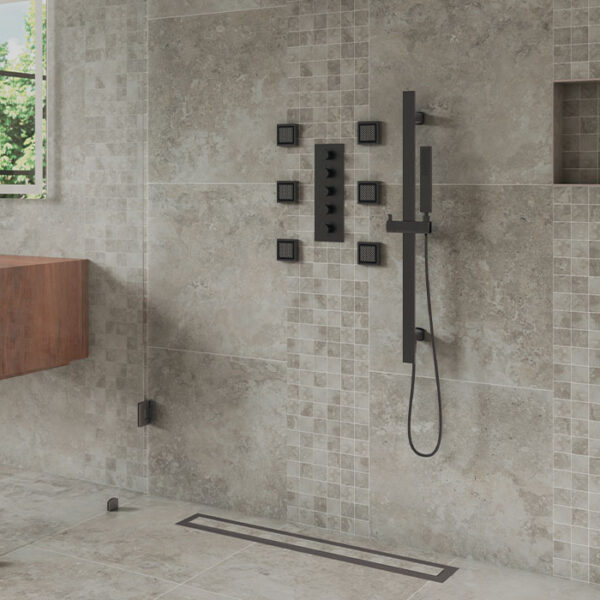
Portland Cliff™ and Civilization™ porcelain field tiles are examples of rectified tiles that allow installations with smaller grout lines (mosaics and coordinating trims are not rectified).
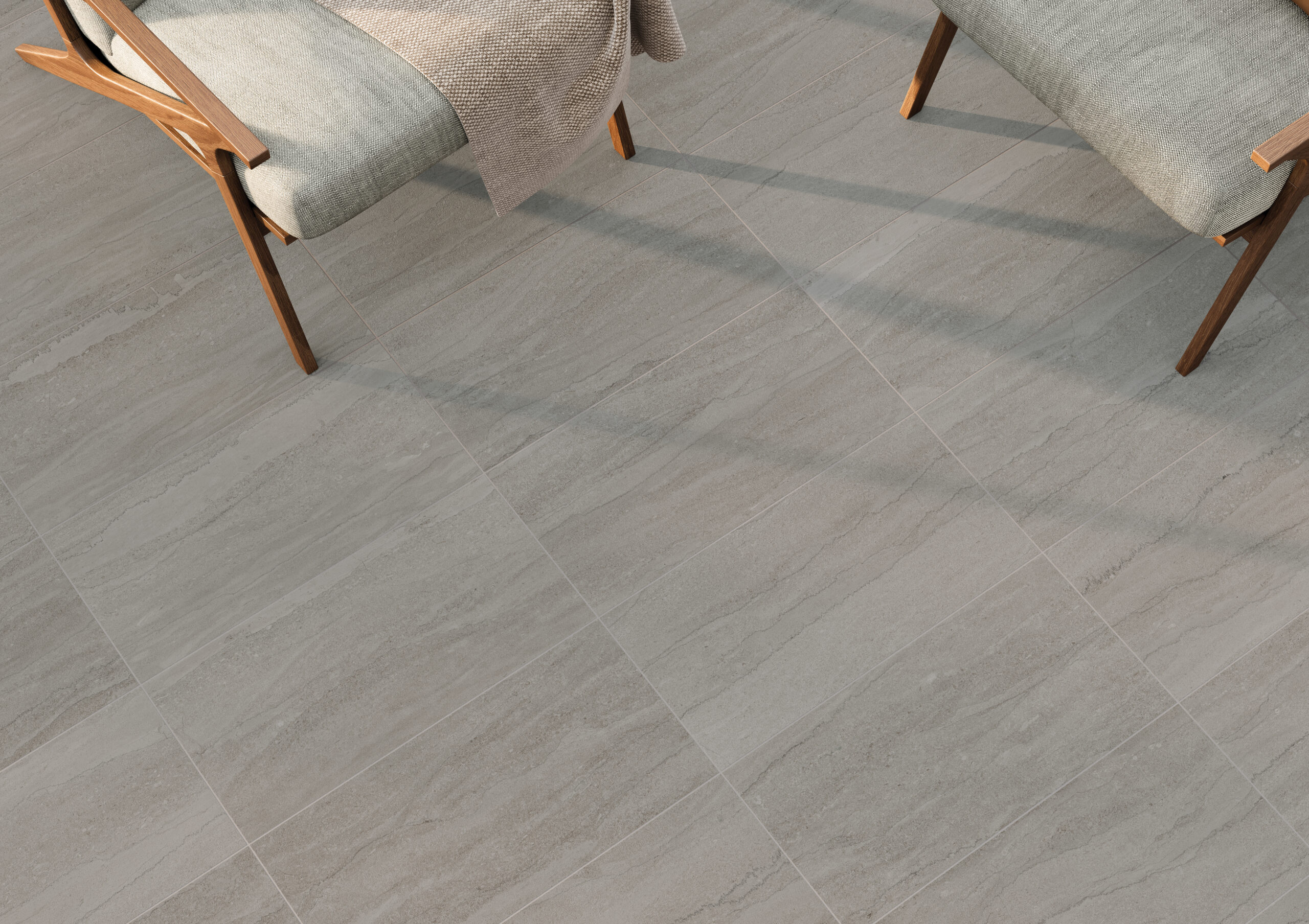 Portland Stone-Inspired Portland Cliff rectified porcelain tile
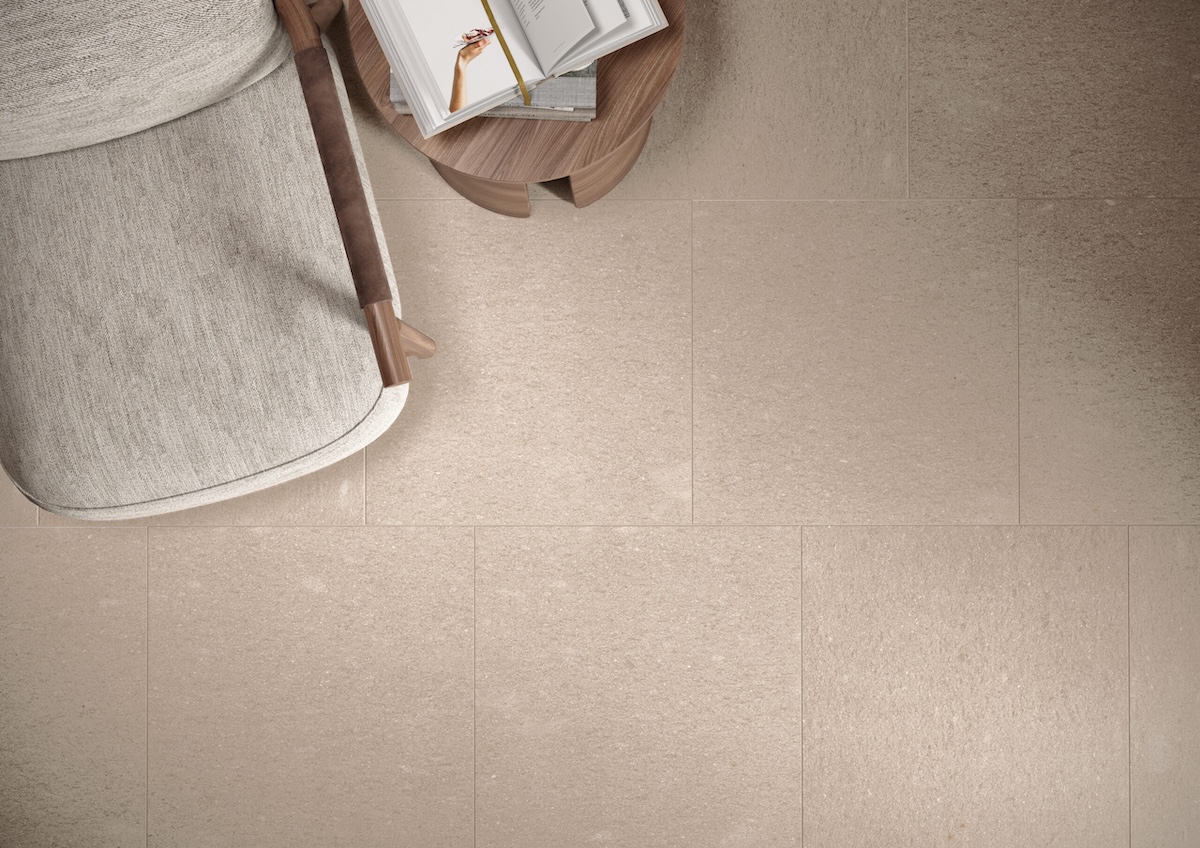
Basalt-inspired Civilization rectified porcelain tile
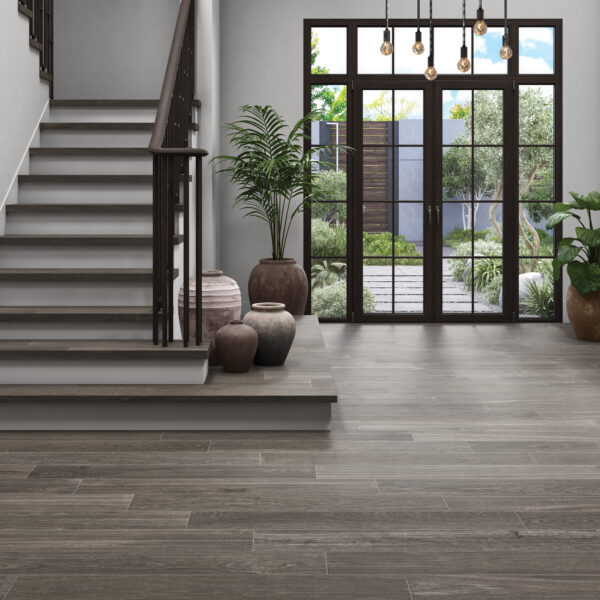
Rural Retreat™ porcelain wood-look planks feature rectified edges that allow for tighter grout joints, helping achieve a more authentic wood-floor look.
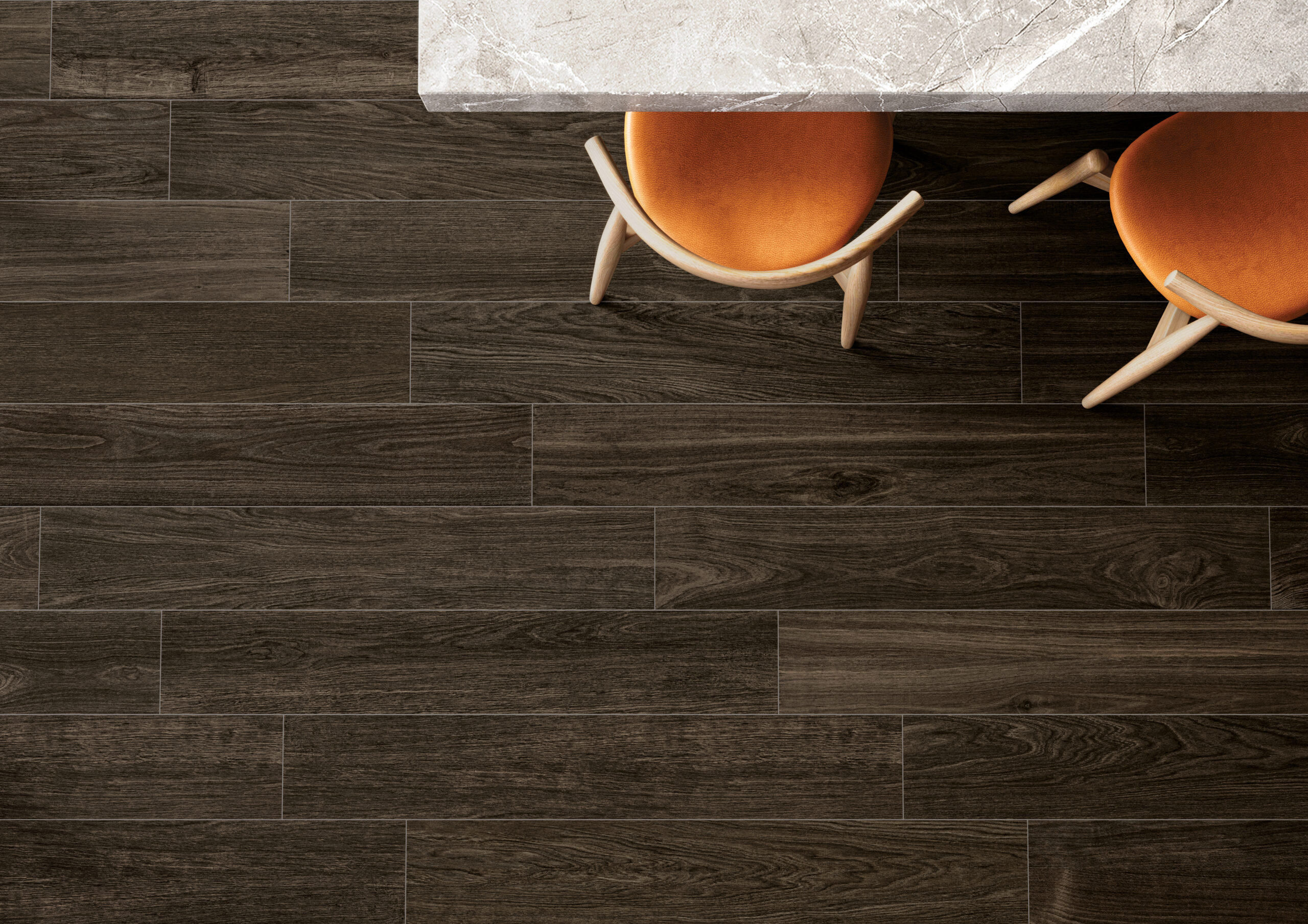 Rural Retreat rectified wood-look porcelain planks
Why the Difference Matters
Understanding whether tile is rectified or calibrated helps designers, specifiers, and installers plan installations more effectively. Both manufacturing approaches provide consistent sizing, but each serves different design and installation needs.
To ensure the best possible installation outcomes, learn whether the tile specified for a project is rectified or calibrated. Crossville prioritizes full product transparency and provides detailed product information, so specifiers and installers have the information they need for successful tile installations.
Order Free Tile Samples
Great Design starts with a sample! Create a free account to request free tile samples delivered directly to your door — quickly and easily.
Other Great Reasons to Set Up an Account
- Save your favorite products and technical resources
- Create and organize projects
- Review your sample order history